
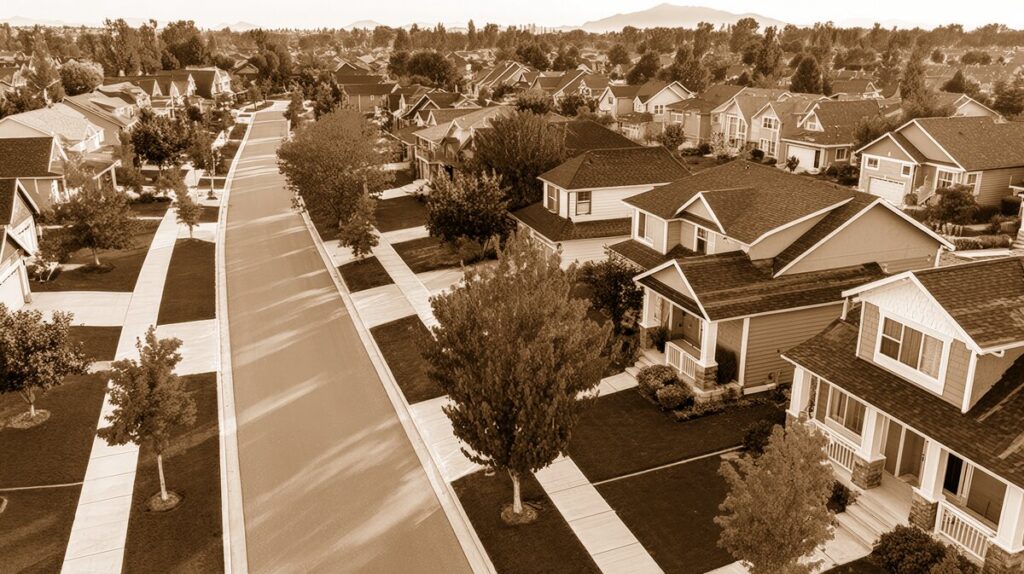
Nestled along the gentle curve of Biscayne Bay, just east of Old Cutler Road, lies one of Coral Gables’ best-kept secrets: the Gables Bayfront neighborhood. Distinguished by its tree-lined avenues, waterfront vistas, and a deep-rooted sense of history, Gables Bayfront offers a window into the city’s glamorous past while remaining vibrantly connected to the present. For those who have wandered its winding streets or watched the sun set over Matheson Hammock Park, it’s easy to see why this enclave holds a special place in the heart of Coral Gables.
The Origins of Gables Bayfront
The story of Gables Bayfront is intrinsically tied to the greater Coral Gables narrative—a city famously dreamed up by George Merrick in the 1920s. Unlike the more bustling Miracle Mile or the Mediterranean-styled downtown, Gables Bayfront was envisioned as a tranquil residential oasis with direct access to the shimmering waters of Biscayne Bay.
The land that now comprises Gables Bayfront was once mangrove-laced shoreline, part of a larger swathe of subtropical wilderness roamed by indigenous Tequesta peoples and later, Seminole hunters. In the 19th century, the area saw sporadic settlement by pioneer families attracted to its fertile land and plentiful fishing.
How the Neighborhood Got Its Name
Gables Bayfront’s name is a literal description of its geography—here, the stately gabled roofs that define Coral Gables architecture meet the calm expanse of bayfront living. When George Merrick began marketing Coral Gables as a “City Beautiful,” he envisioned distinct residential sectors, each with its own unique character. The “Bayfront” distinction was used to highlight the neighborhood’s direct access to the bay, drawing visionaries and vacationers who longed for sea breezes and sunrise views.
Key Historical Milestones
- 1920s—Birth of Coral Gables and Early Development:
With the formal incorporation of Coral Gables in 1925, Gables Bayfront became a sought-after address thanks to its proximity to the water and the ambitious city plan. Early homebuilders embraced Mediterranean Revival architecture, with many streets—such as Stewart Avenue, Erwin Road, and Barbarossa Avenue—still lined with original stucco homes, red tile roofs, and lush canopies of oak and mahogany.
- 1940s–1950s—Golden Age of Bayfront Living:
Post-World War II prosperity brought a new wave of affluence to the area. Many of the larger estate homes along the water’s edge were constructed during this period, with boat slips and breezy verandas designed for entertaining. The quiet refuge of Gables Bayfront attracted business leaders and artists alike, lending the area an air of understated glamour.
- 1970—Opening of Matheson Hammock Park’s Marina:
A transformative milestone for local residents was the formal opening of the Matheson Hammock Park marina, just adjacent to the neighborhood. This provided boating enthusiasts with easy access to Biscayne Bay and further cemented the neighborhood’s relationship with the waterfront.
- Late 20th Century—Preservation and Stewardship:
As Miami underwent periods of rapid growth and modern development, residents of Gables Bayfront banded together to preserve the neighborhood’s tranquil, historic character and lush green canopy. The Gables Bayfront Homeowners Association, founded in the early 1980s, remains a vocal advocate for low-density zoning, environmental stewardship, and preservation of historic properties.
Notable Landmarks and Buildings
Gables Bayfront, though more residential than commercial, hosts several landmarks that speak to its heritage:
- Matheson Hammock Park:
With its iconic atoll pool and scenic marina, the park is a community jewel, providing residents with walking trails, picnic spots, and some of the most breathtaking sunrise views in Coral Gables.
- Historic Mediterranean Revival Homes:
Stroll along Stewart Avenue or Erwin Road, and you’ll find beautiful examples of Mediterranean Revival architecture—wrought iron gates, arched entryways, and lush courtyards. Many of these homes are listed as contributing properties within the city’s historic resources inventory.
- Old Cutler Road:
While not exclusive to Gables Bayfront, the canopied stretch of Old Cutler Road serves as the neighborhood’s western boundary and is frequently cited as one of the most beautiful scenic drives in South Florida. The towering banyans, oaks, and palms create a tunnel of greenery that locals treasure.
Evolution Through the Decades
While Gables Bayfront retains its old-world charm, it has not remained unchanged. In the past forty years, the neighborhood has seen a discreet transformation. Many original homes have been carefully restored, while new residences, built in harmony with the historic aesthetic, blend seamlessly into the landscape. The influx of new families, attracted by the top-rated public and private schools nearby (such as Gulliver Academy and St. Thomas Episcopal Parish School), has infused the area with renewed energy.
The character of Gables Bayfront is also shaped by its connectedness to Coral Gables yet distance from denser urbanization. Residents enjoy quick commutes to downtown Miami yet return home to peaceful, meandering lanes where children play under the shade of giant trees and neighbors greet each other at the park.
What Makes Gables Bayfront Special Today
Ask any longtime Bayfront resident, and you’re likely to hear about the things that never change:
- The sight of rowboats drifting in from the bay at sunrise
- The chorus of cicadas as dusk settles over Matheson Hammock
- The close-knit neighborhood spirit at annual block parties and park picnics
- A sense of stewardship, where preserving the neighborhood’s beauty is a shared mission
There’s a timelessness here—the feeling that you’re living in a piece of Coral Gables history, even as the world outside buzzes with change. The quiet charm of Gables Bayfront, married to its rich heritage, reminds us why so many call this waterfront enclave not just a neighborhood, but home.